

From Plastic Film Company To Third Party Lamination: FAQs
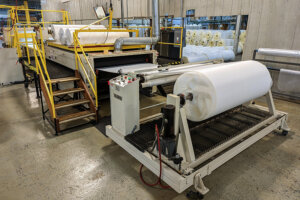 Looking for a plastic film company or considering lamination solutions? Technically speaking, you can laminate products without a laminating machine. The real question is—do you want to?
Needless to say, laminating products by hand is a far cry from working with a laminator. While some choose to do so for small batch or bespoke products, most find that it takes too much time and effort. While outsourcing or investing in a machine may require a higher up-front investment, individual lamination simply doesn’t scale.
There are a few different individual laminating processes to keep in mind. One process involves using packing tape. You’ll layer the product onto the tape—sometimes requiring multiple strips of tape in the process. Although this does create a product that’s technically laminated, it lacks the consistency of industrial lamination in terms of quality or appearance.
The other option involves ironing a product within a pouch. While larger laminating machines work through a pouch process, you can also execute pouch lamination on a more singular level. Even pouch lamination machines, however, work on a smaller scale. If you want to expand your business and accommodate larger orders, you’ll have to use a machine. Not only that; you’ll need to work with an industrial laminating machine.
A benefit of using a machine and sourcing materials in bulk from a plastic film company is that, in the long term, you’ll save money. Pricing for bulk orders is more reasonable than individual pricing.
What are the different types of lamination machines?
While you’ll find a number of different laminators on the market, a select few are more popular than others. We’ve already mentioned the lamination machine of choice for small batch and home projects—the pouch laminator. This laminator relies on adhesive solutions within the pouch component, which encloses the documents you’re laminating. While we like the results, it’s not an efficient process, and it’s typically relegated to tasks at home or in schools.
Your alternatives to pouch laminators include:
Cold Roll Laminators. These machines combine pressure with plastic film. They utilize smaller rollers, and their “cold touch” approach allows you to laminate heat-sensitive products. Usually, cold rollers work with liquid adhesives. We use them for glass and steel products, and more broadly, signage (in the case of the large format laminator).
Hot Roll Laminators. These laminators use heat to activate adhesives, and they’re perhaps the most popular option in commercial settings. They’re less expensive than cold roll lamination, and they use one or two large rollers. The adhesives involved melt upon heating, making them easier to apply, and solidify upon cooling. We typically use these machines for printed materials and photographs, making them broadly applicable.
What’s the best industrial laminator machine?
As previously mentioned, hot roll laminators tend to be the most popular amongst commercial manufacturers. The heat activation of the adhesive makes it easier to transport and apply. Because the adhesive is usually solid, you can easily store it in large quantities as well, making it more convenient than liquid alternatives. Generally speaking, the more flexible the product—and process—the better. And hot roll lamination simply allows for more flexibility, more easily.
Another major benefit of this process is that it’s usually more affordable than its rivals. Part of this is simply because we can scale hot roll lamination in a way that we can’t scale cold roll lamination. Large scale production allows us to deliver more in less time, which cuts down on labor and overall costs.
It also allows you to more easily outsource. Third party manufacturers specialize in larger scale production, making hot roll lamination a favorite amongst their ranks. And, with few exceptions, outsourcing to a third party will usually be more cost-efficient than producing in-house. You don’t have to invest in permanent facilities or equipment, or for that matter employees. There isn’t any trial and error involved, which creates fewer opportunities for waste.
Where can I get large laminating services?
Need large laminating services? The key is working with a third party manufacturer capable of handling your specific needs. In the past, business owners needed to work near their third party manufacturers. But in this day and age, you don’t have to meet with manufacturers in person to properly vet them. Companies like CTI work with clients across the country.
Whether you’re visiting manufacturing partners in person or screening them remotely, however, make sure you read testimonials first. Ask for references and check on the manufacturer’s partners and sources. If you need laminating services, ask about the plastic film company from which they source their film products.
What if I already work with a preferred plastic film company?
If you already have a preferred plastic film company, ask your potential manufacturing partner about their policies. Some manufacturers offer contract manufacturing, while others offer toll manufacturing—and some offer both. Contract manufacturing has the third party handle the entire manufacturing process from beginning to end. Toll manufacturing allows you to procure the raw materials yourself—and in that case, you can use the plastic film company of your choice.
But before you dig deeper on that front, why not start by having a conversation with CTI? Contact us here or call us at 419-924-5566. We’ll answer your questions—and see if we can help you reach your goals.
- << < Previous Post
- 1
- 2
- ...
- 17
- ...
- 304
- 305 Next Post > >>