

Matte Lamination: How To Get The Results You’re Looking For
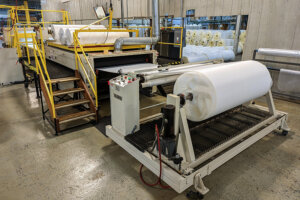 You might think you know what matte lamination looks like. But do you know what it fully entails, and what truly sets it apart from its alternatives? Do you know if it’s the right protective covering for your product? Find out with Conversion Technologies International.
What is matte lamination?
Like any other type of laminate, matte lamination is ultimately a coating. What distinguishes it from other laminate is its affect and its applications. We apply matte laminate in thin coats, with the thickness depending on the product and its effectiveness. Typically, we follow this with a curing process. This may involve placing the laminated surface under UV lights, which helps the product dry and reach its final form. When you first apply matte laminate, it may not look as it will by the end of the process. In many cases, the liquid coating initially looks shiny upon application. Curing mattifies it.
Once the laminate is in that mattified form, it loses its shine. It’s no longer reflective, and it feels softer to the touch. You’ll notice that a matte surface softens the colors as well. It offers a subtler, less saturated look.
The effects of matte laminate make the product less prone to glaring. Mattified products also tend to be more durable, though there can be some variation on this front. Because matte surfaces are less slippery—and less slick—they tend to resist scratching and streaking. In some cases, they might also look easier to read.
When you compare matte laminate to its alternatives, its biggest “competitor” tends to be glossy laminate. As the name suggests, glossy laminate is higher shine. It’s also highly reflective, especially when we compare it to matte laminate. For some, glossy laminate might seem like the more “conventional” type of laminate, especially when it comes to paper lamination. But that doesn’t mean it’s the right option for every product.
Is matte lamination or glossy lamination better?
We encourage thinking less in terms of which method is “better”, and more in terms of which method is better for your project.
If you want a higher shine, more vibrant look, gloss lamination may be the better option. It’s brighter and intensifies colors. Additionally, it tends to look a little crisper. Some see the glossy look as “cleaner”. However, it ironically picks up dust more easily than matte lamination. Glossy surfaces also scratch and crease more easily than matte surfaces. In general, they’re less resistant to wear and tear than matte laminate.
Although there’s some tendency toward variation in performance, matte lamination adds an extra layer of durability that glossy doesn’t. And of course, if you’re worried about glare, choose matte. This is why you might want to choose matte laminate for more brightly-lit areas. Not only do you reduce the risk of awkward reflectiveness, you’ll also reduce the risk of the product washing out. The more light that reaches the product, the more easily the colors face over time. However, we can counteract the durability issues somewhat by applying laminate to both sides of the product.
Again, there are individual factors to consider, which will depend on your specific project. But this is why we recommend working with an experienced provider of laminating services. They can advise as you make your final decision.
What are the three types of lamination?
We’ve covered matte laminate, and we’ve covered glossy laminate. But they aren’t the only types of laminate on the market. Well—technically, there are more than three.
However, the third main type of lamination is soft touch lamination.
Soft touch lamination is the most “luxurious” lamination option. While both glossy lamination and matte lamination look aesthetically pleasing, they tend to prioritize practicality. Soft touch lamination serves more of an aesthetic and tactile purpose. On the surface, soft touch resembles matte laminate. However, it possesses a silkier feel—not exactly like glossy lamination, but more similar to glossy than matte. Although it doesn’t break the bank, it creates a more “expensive” look and feel.
With that being said, we should also touch upon nylon flat lay lamination. This lamination avoids the curling issue you’ll find with many laminates. This is why we tend to prefer it for book covers and book jackets. However, we usually only apply it to one side of the product. In the end, it’s really not the kind of method we would recommend for a variety of different projects. It’s better suited for this one specific purpose.
How can a contract manufacturing expert help you?
When you work with lamination, it’s a good idea to, as we said before, defer to the experts. In this case, an industrial contract manufacturing provider like CTI could be what you’re looking for. The best part about working with us is the experience factor—we have plenty of experience with lamination. In this case, we laminated non-woven material to aluminum and sheeted it, creating the product our client wanted. Although this was an unusual lamination request, we tackled it with outside-the-box strategies. And we can help you, too!
Ready to begin? Contact us here or call 419-924-5566. We’re here for you, and we want to help every step of the way—even if all you need is a consultation!
- << < Previous Post
- 1
- 2
- ...
- 29
- ...
- 324
- 325 Next Post > >>